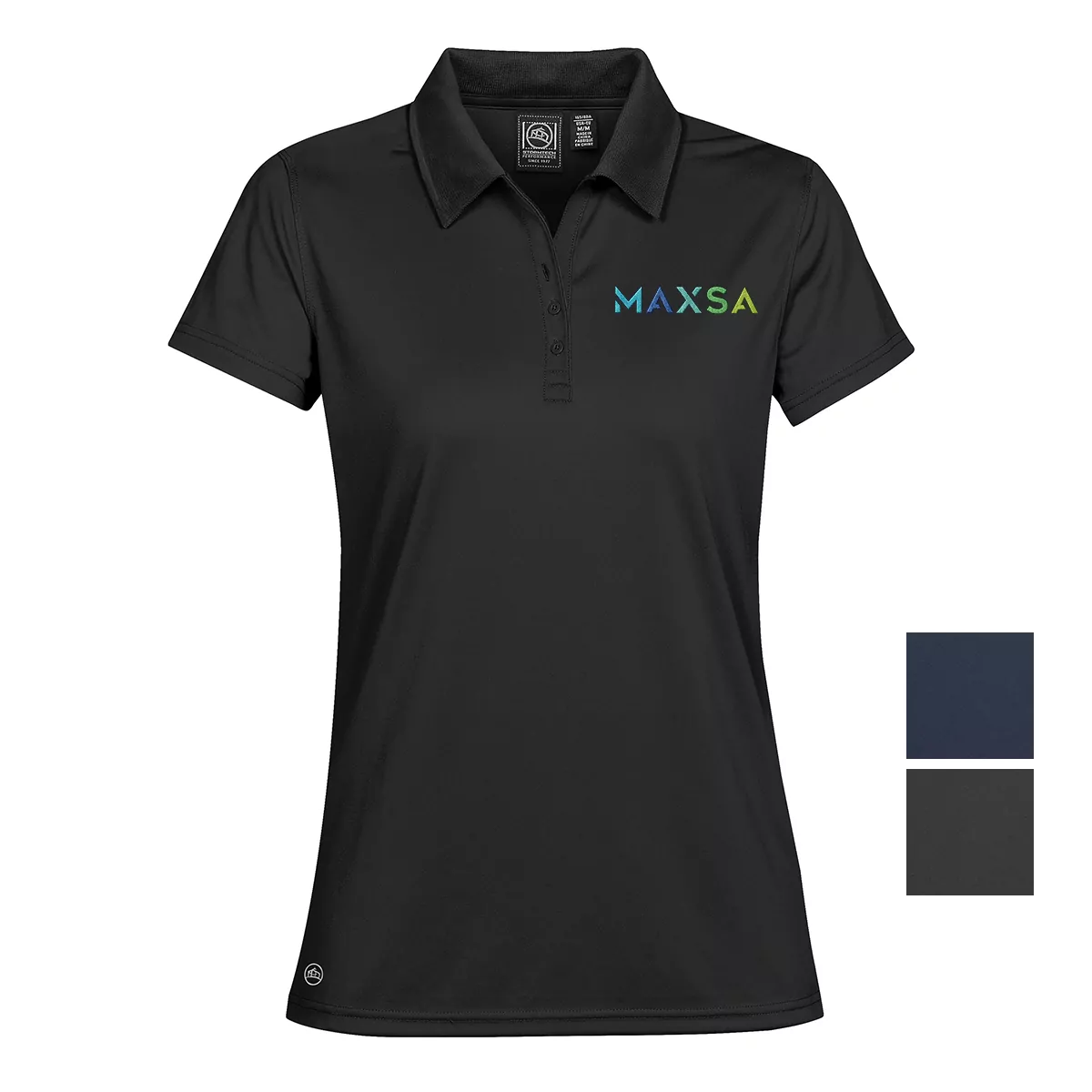
One of the biggest surprises for first-time custom apparel buyers isn’t the shirt price — it’s the quote line that says “add $1.25 per color.” A logo isn’t just a design; it’s a production spec, and how many colors it carries can move your per-shirt cost more than the shirt itself does. Here’s how we walk Connecticut businesses through what color count actually means for their order.
Here’s the short version, then the details behind it.
The Short Version
Screen printing charges per color because each color is a separate screen and a separate pass through the press. Embroidery cares less about color count and more about stitch count, but a logo with many small color blocks still adds setup time. A simple one- or two-color logo keeps costs down and production fast; a full-color photographic design usually points you toward DTF or DTG instead of traditional screen printing. Know which bucket your logo falls into before you request a quote.
Why Screen Printing Charges by the Color
Traditional screen printing is a physical, color-by-color process: each ink color gets its own screen, burned specifically for that part of the design, and the garment passes under the press once per screen. A one-color logo needs one screen and one pass. A five-color design needs five screens, five passes, and more setup and cleanup time on the press. That’s why screen printers quote by color count almost universally — it’s not arbitrary, it directly reflects the labor and setup involved. It’s also why larger orders absorb that setup cost better: the per-shirt price gap between a one-color and four-color design shrinks as quantity goes up.
Embroidery Counts Stitches, Not Colors
Embroidery works differently. The cost driver is mostly stitch count — how dense and large the design is — rather than how many thread colors it uses, since the machine simply switches thread color automatically between sections. That said, a logo with many small, separate color blocks can still add machine time for thread changes and trims, so an intricate multi-color emblem will cost more than a clean one-color wordmark even in embroidery. If you’re deciding between the two methods for a given logo, our guide to choosing between screen printing, embroidery, and other methods covers the full trade-off.
When a Logo Needs Full-Color Printing Instead
Some designs simply aren’t built for spot-color screen printing — photographic images, gradients, and logos with dozens of blended colors. For those, direct-to-film (DTF) or direct-to-garment (DTG) printing is usually the better fit: both lay down full-color designs in a single pass, so cost scales with design size rather than color count. If your logo leans toward a gradient or photo-realistic look, mention that up front when requesting a quote — it changes which production method makes sense. Our rundown of what to have ready before requesting a quote walks through exactly what to send us.
Simplifying a Logo Without Losing Its Identity
If your logo has more colors than your budget wants to support, you don’t have to abandon your brand to save money. A few common moves: drop a subtle background gradient to a flat color, combine two very similar shades into one, or print the logo in a single color (often white or black) on a shirt color that already carries the rest of your palette. Many brands keep a simplified, one- or two-color version of their logo specifically for apparel — it’s still recognizable, and it keeps per-shirt cost predictable at any quantity. This pairs naturally with picking the right shirt and ink colors for the final look.
Planning Your Budget Around Color Count
Color count is one of several levers that move your total cost — quantity, garment choice, and decoration method all factor in too. If you’re pricing out a larger order, our guide to budgeting for custom apparel without sacrificing quality covers the rest of the picture. Both screen printing and embroidery can work beautifully with a simplified logo — it just takes knowing which parts of your design are flexible.
Final Thoughts
Your logo’s color count isn’t just a design detail — it’s a cost variable you can plan around. Know how your decoration method charges, consider a simplified version of your logo for apparel, and be upfront about color when requesting a quote. Do that, and you’ll get an accurate price the first time, with no surprises on the invoice.
Not sure what your logo will cost to print? Get in touch with Screen Tek and we’ll walk you through the options for your design.