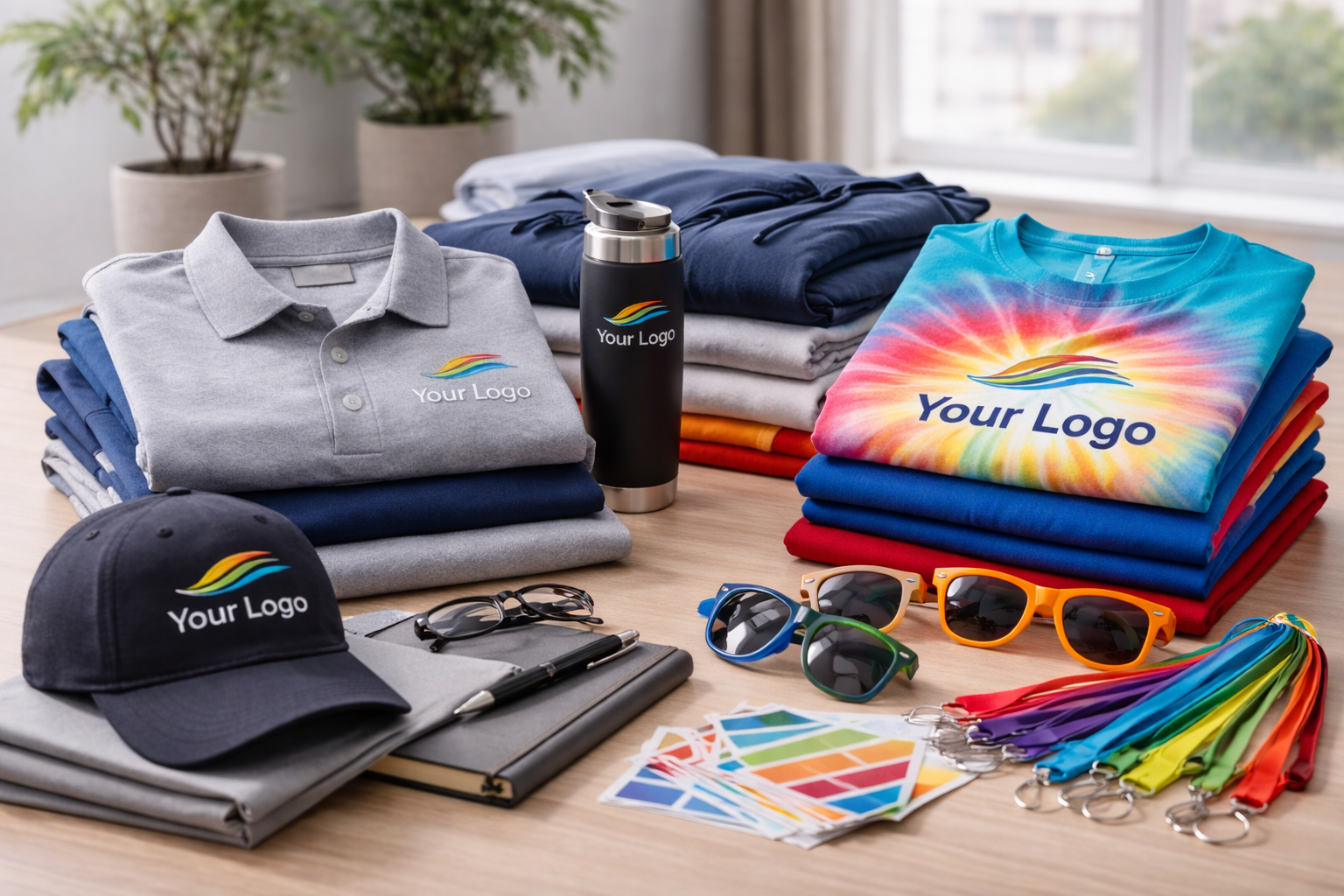
Custom apparel plays different roles depending on how it’s used. One of the most common mistakes businesses make is treating employee apparel and event apparel as interchangeable — when in reality, they serve very different purposes.
Understanding the difference helps you choose better garments, spend your budget wisely, and get far more value from every piece you order.
The Purpose of Employee Apparel
Employee apparel is worn repeatedly, often for long periods of time. It becomes part of a routine — sometimes even part of someone’s personal wardrobe.
That means employee apparel needs to prioritize:
-
Comfort for all-day wear
-
Durability through frequent washing
-
Consistent fit and sizing
-
A professional, polished appearance
Think polos, lightweight jackets, work shirts, and fleece layers — items that feel appropriate in real working environments.
When employee apparel is uncomfortable or poorly made, it stops getting worn quickly, which defeats its purpose entirely.
The Purpose of Event Apparel
Event apparel has a very different job.
It’s designed to:
-
Create visibility
-
Build excitement
-
Unite a group for a moment in time
-
Make an impact in photos and public spaces
Event shirts often prioritize bold design, bright colors, or large graphics — and they may only be worn once or a handful of times.
That doesn’t mean quality doesn’t matter, but durability and long-term comfort are usually secondary to visual impact and cost efficiency.
Why Using the Same Apparel for Both Can Backfire
Trying to use one garment for both employee use and events often leads to compromises.
Common issues include:
-
Event shirts that feel too casual or loud for daily work
-
Employee apparel that feels too stiff or heavy for an outdoor event
-
Overpaying for durability that isn’t needed — or underpaying for apparel that’s worn daily
When apparel doesn’t match its intended use, it quickly ends up unused.
Fabric and Fit Differences That Matter
Employee apparel typically benefits from:
-
Softer cotton blends
-
Breathable fabrics
-
Cuts that allow movement
-
Neutral, wearable colors
Event apparel can lean into:
-
Lightweight materials
-
Trend-forward styles
-
Higher-contrast designs
-
Seasonal color choices
Matching fabric and fit to purpose is one of the easiest ways to improve satisfaction.
Branding Style Should Match the Setting
Employee apparel usually looks best with:
-
Subtle logo placement
-
Left-chest embroidery or clean prints
-
Tone-on-tone or neutral branding
Event apparel often works well with:
-
Larger graphics
-
Back prints
-
Bolder color combinations
Different environments call for different branding approaches — and that’s a good thing.
How to Plan Smarter Apparel Orders
Instead of asking, “Can we use this for everything?”
Ask:
-
Who will wear this?
-
How often?
-
In what setting?
-
For how long?
Separating employee apparel and event apparel into distinct categories leads to better decisions, better wear rates, and better brand perception.
Final Thoughts
Employee apparel and event apparel both matter — but for very different reasons. When you treat them as separate tools instead of one-size-fits-all solutions, you get more value, better results, and apparel people actually want to wear.
The right apparel choice isn’t just about printing a logo — it’s about matching the product to the purpose.