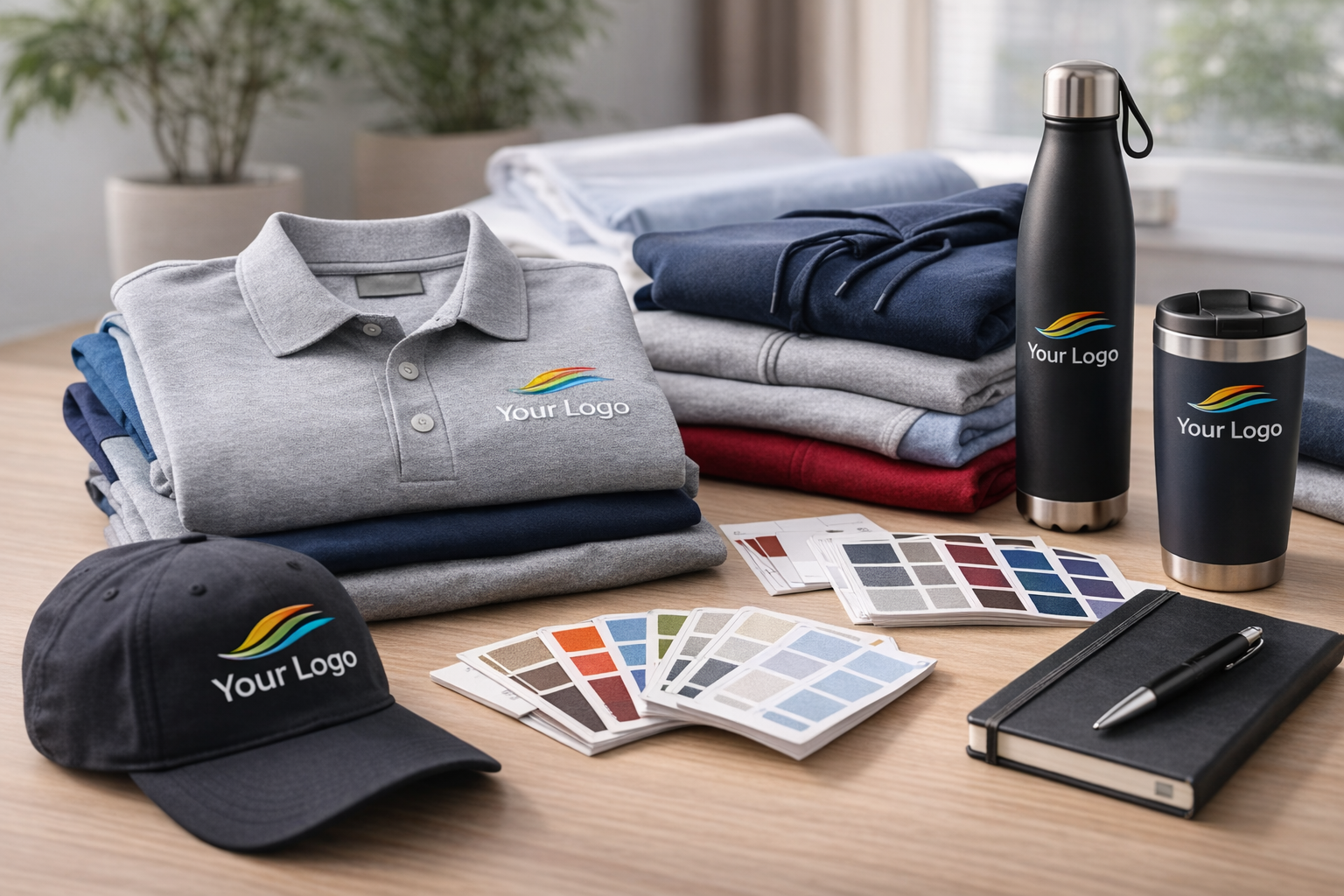
Custom apparel should do more than carry your logo — it should be something your team feels good wearing. Too often, businesses invest in shirts or hoodies that look fine on paper but end up forgotten in a drawer after one use.
The difference between apparel that gets worn once and apparel that becomes part of someone’s routine usually comes down to a few key decisions. Here’s how to choose custom apparel your team will actually want to wear.
Start With Comfort, Not Just Cost
Comfort is the number one factor that determines whether apparel gets worn again.
That means thinking about:
-
Softness of the fabric
-
Breathability
-
Weight (light vs heavy)
-
How the garment feels after a full day
Cheaper shirts may save money upfront, but stiff fabric or rough seams quickly turn them into “one-and-done” items. Comfortable apparel turns your brand into something people associate with ease and familiarity.
Choose Fabrics That Match the Work Environment
Where and how your team works matters.
-
Office or customer-facing teams benefit from polished fabrics like soft cotton blends, polos, or lightweight fleece.
-
Active or outdoor teams need moisture-wicking, breathable materials.
-
Warehouse or hands-on roles need durability and flexibility.
Matching the fabric to the work environment helps ensure the apparel feels appropriate — not forced.
Fit Matters More Than You Think
One-size-fits-all rarely fits anyone well.
Consider:
-
Offering both unisex and fitted options
-
Choosing brands known for consistent sizing
-
Avoiding overly boxy or overly slim cuts
When people feel good in how something fits, they’re far more likely to wear it regularly — even outside of work.
Think About Climate and Seasonality
A heavy hoodie might be perfect in winter but useless in warmer months.
To maximize wear:
-
Choose lightweight layers that work year-round
-
Consider short sleeves, quarter-zips, or light jackets
-
Plan seasonal apparel if your team works in changing conditions
Versatile pieces naturally get more use.
Subtle Branding Goes Further
Apparel that’s worn frequently usually features clean, understated branding.
Smaller logos, tone-on-tone embroidery, or left-chest placement often feel more wearable than large, bold graphics. When apparel feels stylish rather than promotional, people treat it like part of their wardrobe — not just a uniform.
Choose Decoration Methods That Support Comfort
How your logo is applied matters.
-
Soft-hand screen printing keeps shirts flexible and breathable
-
Embroidery works best on structured garments like polos, jackets, and hats
-
Overly thick prints or heavy stitching can affect comfort
A good printer will recommend methods that enhance wearability, not work against it.
Don’t Forget Ease of Care
If apparel is hard to wash or maintain, it won’t get worn often.
Garments that:
-
Wash easily
-
Hold their shape
-
Don’t require special care
are far more likely to stay in rotation.
Involve Your Team When Possible
Even small choices — like color options or garment styles — can make a big difference in buy-in. When people feel considered, they’re more likely to embrace the apparel.
Final Thoughts
Custom apparel works best when it feels natural, comfortable, and appropriate — not like something people are required to wear. By prioritizing comfort, fit, fabric, and subtle branding, you turn apparel into something your team chooses to wear, not something they tolerate.
And that’s when branded apparel truly starts working for your business.