Fall is peak fundraising season. Charity 5Ks, school fundraisers, food drives, and community events fill the calendar, and nearly all of them run on the same simple tool: a shirt people are proud to wear. A good fundraiser tee does three jobs at once — it identifies your volunteers, it raises money when you sell it, and it keeps your cause visible long after the event is over. The catch is that a nonprofit budget and timeline leave little room for mistakes.
Here’s how we help Connecticut nonprofits, schools, and community groups get custom apparel right the first time.
The Short Version
Decide whether your shirts are for volunteers, for sale, or both. Keep the design simple so it prints cleanly and costs less, order enough sizes to avoid a scramble, and start at least four to six weeks before your event. A clear plan up front stretches your budget and keeps event day stress-free.
Volunteer Shirts vs. Fundraiser Shirts
These are two different jobs, and they call for different choices:
- Volunteer shirts — a bold color and a clear word like “Volunteer” or “Staff” so attendees can spot help instantly. Simple one-color prints keep the per-shirt cost low.
- Event and fundraiser shirts — the ones you sell. These should feel like something people would buy anyway, with a design worth wearing.
- Thank-you gifts — a nicer item for donors, board members, or top fundraisers.
Design That Sells (and Saves Money)
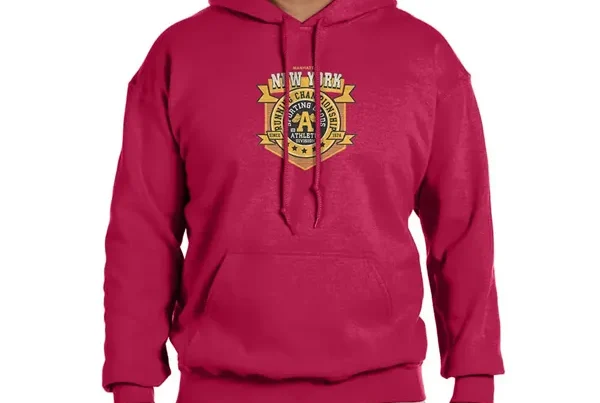
The shirts that sell best rarely shout the fundraiser’s name in giant letters. They carry a clean graphic, a memorable slogan, or a bold logo that people want to be seen in. Keep the color count low: every extra ink color adds cost when screen printing. If you need guidance, our tips on designing a T-shirt people actually want to wear apply directly, and our design studio lets you start building a look online.
Budgeting and Pricing Your Shirts
Screen printing gets cheaper per shirt as quantity goes up, so the bigger the run, the better your margin. If you plan to sell shirts, work backward: decide how much you want to raise, then set a price that comfortably covers your cost and leaves room for profit. Many groups price a shirt at roughly double what they paid, then sell out because supporters love the cause. Remember to budget a few extra shirts for volunteers, staff, and giveaways.
Presale Beats Guessing on Sizes
The biggest budget-killer for fundraisers is leftover inventory in the wrong sizes. A presale solves it: collect orders and sizes before you print, then print exactly what you need plus a small buffer. An online company store can handle the ordering for you, so supporters pay online and you never manage a spreadsheet of sizes. If you serve a school or team, our guide to spirit wear and team apparel covers similar planning.
Plan Your Timeline Backward From Event Day
Artwork approval, garment orders, printing, and delivery all take time, and volunteer schedules rarely bend. We recommend starting four to six weeks before your event, and earlier if you are running a presale. Allow time for a proof, for any size adjustments, and for shipping. Rushing usually costs more and leaves less room to fix mistakes.
Final Thoughts
A well-planned fundraiser shirt does more than dress your team. It builds community, raises money, and spreads your cause every time someone wears it. Keep the design simple, plan your sizes, and order with time to spare, and your apparel will support the mission instead of adding to the stress. We are proud to support local causes, and you can see how in our Charitees program.
Planning a fundraiser or community event? Get in touch with Screen Tek and we’ll help you choose the right shirts and get them ready in time.