One of the first questions we ask a new customer isn’t about color or logo size — it’s what kind of shirt they actually need. Polos and T-shirts are the two most-ordered pieces of branded apparel, and they get used for very different jobs. Pick the right one and your team looks put-together and comfortable. Pick the wrong one and you end up with a drawer full of shirts nobody reaches for.
Here’s how we help Connecticut businesses decide between the two.
The Short Version
Polos read as professional and are the default for anyone facing customers — front desk staff, sales teams, trade show booths. T-shirts are the comfortable, casual workhorse for warehouse crews, event volunteers, and everyday giveaways. Many companies use both: polos for client-facing roles, tees for the rest of the team.
When a Polo Is the Right Call
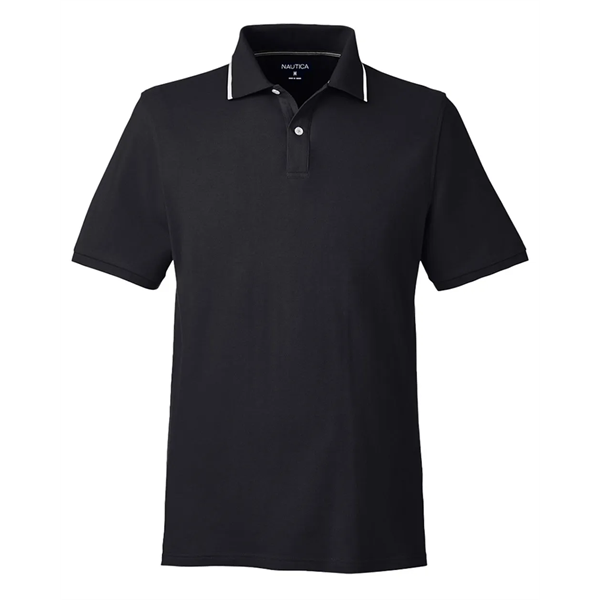
Polos carry a built-in sense of professionalism that a T-shirt can’t match. The collar and button placket read as “uniform,” not “giveaway,” which makes polos the standard choice for:
- Customer-facing staff — retail, front desk, account managers, anyone greeting the public.
- Trade shows and sales events — a polo looks the part next to a booth and a handshake.
- Client gifts and executive apparel — a nicer garment for a smaller, more selective run.
When a T-Shirt Wins
T-shirts are cheaper, more comfortable, and easier to move in — which makes them the better pick when the job is physical or the run is large:
- Warehouse, production, and field crews — comfort and range of motion matter more than a collar.
- Events, races, and giveaways — lower per-unit cost lets you outfit a crowd.
- Company swag and everyday wear — the shirt people actually reach for on a Saturday.
Decoration and Fabric Considerations
Both garments take embroidery and screen printing well, but the placement differs. A polo’s small chest logo is almost always embroidered for a clean, tailored look, while a T-shirt’s larger front-and-back canvas is built for screen printing. If you’re unsure which decoration method fits your design and budget, our guide to choosing between screen printing and embroidery breaks it down, and the same fabric trade-offs from our cotton vs. polyester guide apply to both garment types.
Cost, Durability, and Care
Per-unit cost usually favors the T-shirt, especially at larger quantities, which is why they dominate events and giveaways where you’re outfitting a crowd. Polos cost more per piece but tend to hold their shape and color longer with regular washing, which matters for a uniform staff wears several times a week. Either way, a few care basics go a long way: wash inside-out in cold water, skip the fabric softener on printed designs, and tumble dry low or hang to dry. Treat both like an investment in how your team presents itself, not a disposable giveaway, and they’ll last through many more washes.
Building a Mixed Uniform Program
Most teams aren’t all-polo or all-tee — they mix garment types by role. Client-facing staff get polos, warehouse and production staff get tees, and everyone gets a hoodie or sweatshirt for cooler months. An online company store makes a mixed program easy to manage — each employee just orders the pieces that fit their role and size.
Final Thoughts
Polos and T-shirts aren’t competitors — they’re tools for different parts of the job. Match the garment to the role, keep decoration clean and appropriately sized, and don’t be afraid to run both in the same uniform program. Do that, and every piece of branded apparel your team wears will actually get worn.
Not sure which garment fits your team? Get in touch with Screen Tek and we’ll help you build the right mix of polos and tees.