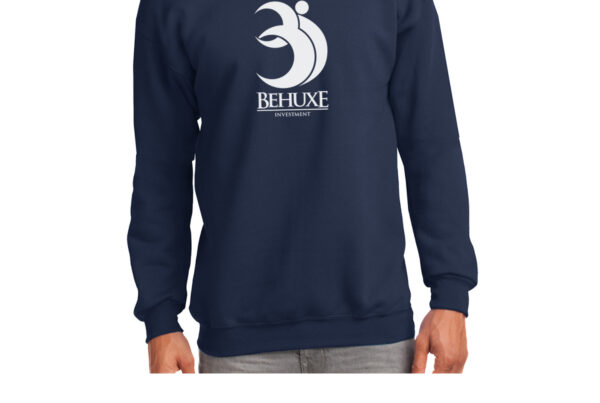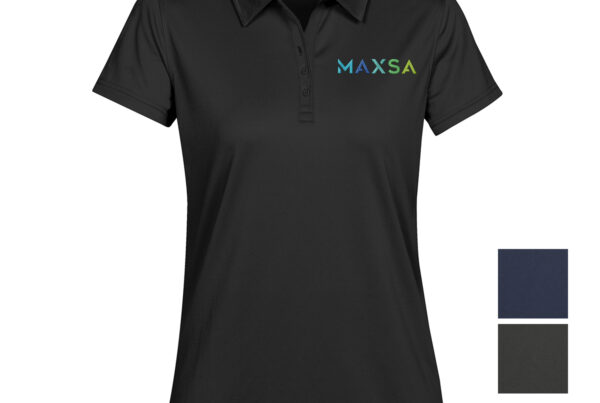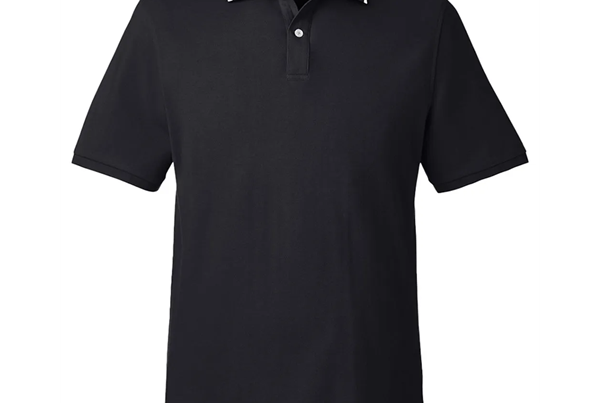
Most people put a lot of thought into their logo and almost none into the fabric it’s printed on — then wonder why one batch of shirts feels premium and another feels stiff and cheap after two washes. The garment underneath your design does more than you’d think: it determines how the apparel feels, how long it lasts, how it handles heat and sweat, and even how well your print holds up. Cotton, polyester, and blends each have a clear place, and picking the right one is half the battle.
Here’s a practical breakdown of the three, and how we help customers match the fabric to the job.
The Short Version
Cotton is the soft, breathable classic — best for everyday wear and a premium hand feel. Polyester is the performance workhorse — moisture-wicking, durable, and colorfast for active and outdoor use. Blends split the difference, giving you comfort and durability at a friendly price, which is why they’re the most popular choice for bulk orders. When you’re unsure, a blend is the safe default.
Cotton: Comfort and a Classic Feel
Cotton is what most people picture when they think “good T-shirt.” It’s soft, breathable, and natural against the skin, and a quality ring-spun or combed cotton has a premium hand that’s hard to beat for retail pieces, everyday staff shirts, and giveaways people actually want to wear. Cotton also takes water-based and discharge screen printing beautifully, soaking in for that soft, part-of-the-shirt finish.
The trade-offs: 100% cotton wrinkles more, can shrink if washed hot, and holds moisture rather than wicking it — so it’s not ideal for high-sweat, high-heat activity. It’s the comfort champion, not the performance one.
Polyester: Performance and Durability
Polyester is the go-to for anything active, outdoor, or hard-wearing. It wicks moisture away from the skin, dries fast, resists shrinking and wrinkling, and holds its color through heavy washing. That makes it the default for sports jerseys, safety and outdoor workwear, and any uniform that takes a beating. It’s especially worth considering for hot-weather events where breathability and sweat management matter — we get into this in our post on custom apparel for summer company events.
The trade-off is feel: pure polyester can run warmer and less soft than cotton, though modern performance fabrics have closed that gap a lot. Decoration also matters here — polyester needs the right ink and cure settings to avoid dye migration, which is something we handle on our end.
Blends: The Best of Both Worlds
Blends mix cotton and polyester (and sometimes rayon) to balance the strengths of each — and they’re the most-ordered fabrics we run for good reason:
- 50/50 cotton-poly — softer than pure poly, more durable and shrink-resistant than pure cotton, and typically the most budget-friendly. A safe all-rounder for big orders.
- Tri-blend (cotton/poly/rayon) — extremely soft with a lightweight, slightly heathered, retail-style drape. Great when you want a premium, fashion-forward feel.
- Poly-rich blends — lean toward performance while keeping some cotton comfort; good for active uniforms that still need to feel decent.
If you’re outfitting a mixed group and want one fabric that keeps most people happy, a blend is almost always the answer.
Matching the Fabric to the Job
The right fabric depends entirely on how the apparel will be used. A law office polo, a landscaping crew’s work shirts, and a 5K event tee all call for different answers — comfort, durability, and breathability get weighted differently for each. Our guide on choosing the right apparel for different work environments walks through matching garments to the setting. Whatever you pick, fabric also drives care: cottons and blends have different washing and drying needs, and following them keeps both the garment and the print looking sharp — see how to care for custom printed and embroidered apparel.
How Fabric Affects Your Print
Fabric and decoration method go hand in hand. Cotton is ideal for water-based and discharge screen printing; polyester needs low-cure inks or heat-transfer methods to avoid dye migration; and blends are versatile but benefit from a method matched to their exact makeup. This is exactly why we ask about the garment when you request a quote — it changes what we recommend. If you’re still deciding how to decorate, start with our overview of screen printing, embroidery, and other decoration methods, and see what information you need before requesting a quote so we can nail the recommendation the first time.
Final Thoughts
There’s no single “best” fabric — there’s the best fabric for your order. Cotton for comfort and a premium feel, polyester for performance and durability, and blends when you want a bit of both at a sensible price. Nail the fabric and everything else — the feel, the longevity, the print quality — falls into place.
Not sure which way to go? Get in touch and we’ll help you choose a fabric that fits how your apparel will actually be worn, printed, and cared for — before you commit to a full run.