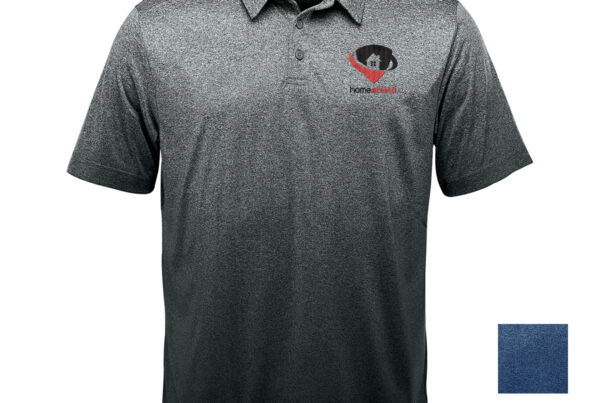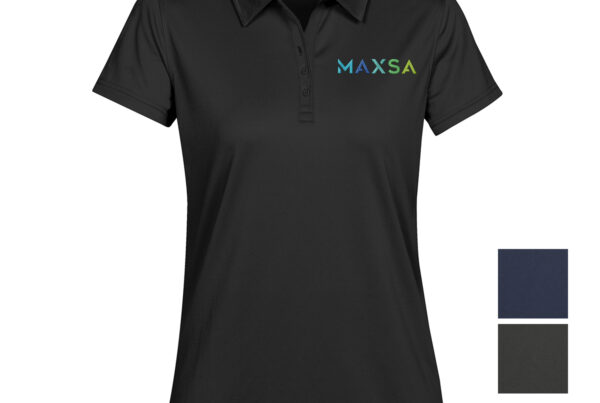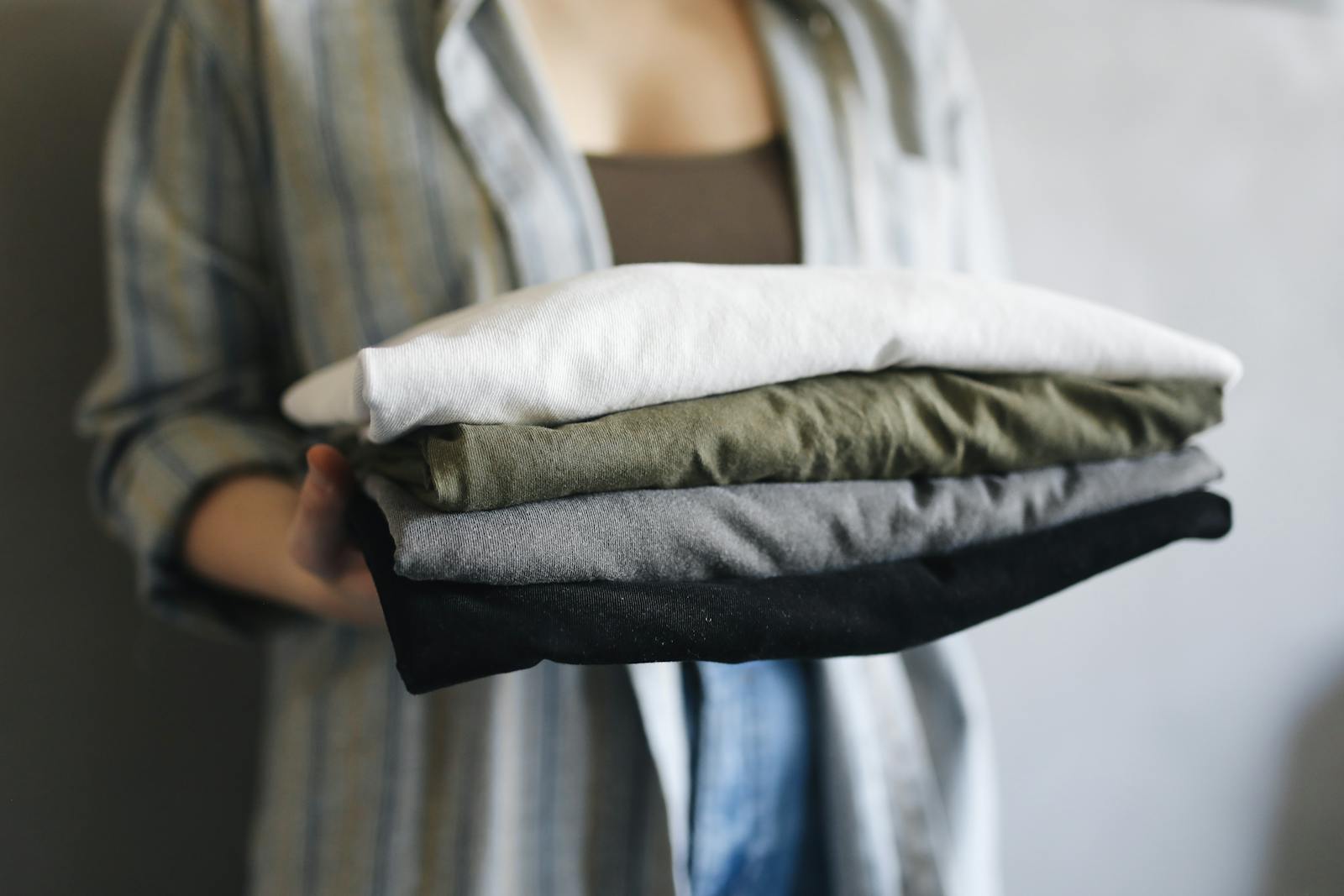
You spent real money on custom apparel. Whether it’s a stack of branded polos for the office, embroidered jackets for a team, or screen-printed tees for an event, the goal is for them to look sharp on the tenth wash, not just the first. The good news is that print and embroidery longevity is mostly about how the garment is washed, dried, and stored — not what you paid for it.
Here’s what actually keeps custom apparel looking new, and the small habits that quietly destroy it.
Why Care Matters More Than the Print Method
A well-made screen print or embroidered logo is built to last. What shortens its life is rarely the decoration itself — it’s heat, agitation, and friction during washing and drying. Even the best print can crack, fade, or peel when it’s tossed in hot water and tumbled dry on high every weekend.
If you’ve ever wondered how custom apparel is actually made, you’ll know the print or stitching is bonded to the garment under controlled conditions. Care steps work with that bond. Aggressive washing works against it.
Washing Custom Printed Apparel the Right Way
The single biggest thing you can do for a printed garment is turn it inside out before it goes in the wash. That keeps the print from rubbing against zippers, buttons, and other garments — the friction that causes most cracking and fading.
Beyond that, the rules are simple:
- Cold water only — hot water breaks down ink over time
- Gentle or normal cycle, never heavy duty
- Mild detergent — skip bleach, fabric softener, and detergents with bleach alternatives
- Wash with similar colors and weights to reduce abrasion
These habits also help with keeping branded apparel looking consistent over multiple reorders — nothing makes a fleet of polos look mismatched faster than half of them being faded.
Drying Without Wrecking the Print or Embroidery
If washing is the first risk, drying is the bigger one. High heat is what really kills custom apparel. It cracks plastisol prints, melts the surface of soft-feel inks, shrinks garments unevenly around embroidery, and can warp stitching.
Air-drying is the gold standard, especially for the first few washes. If you have to use a dryer, use the lowest heat setting and pull garments while they’re still slightly damp. Hang or lay flat to finish drying.
One more habit: don’t iron directly over a print or embroidered area. If the garment needs pressing, flip it inside out or place a thin cloth between the iron and the design.
How Embroidered Pieces Need Different Treatment
Embroidery is more durable than printing in some ways — the design is stitched in, not bonded on top — but it has its own failure modes. Loose threads can catch and pull, dense stitching can pucker if washed in hot water, and backing material can soften and lose shape with aggressive drying.
For embroidered polos, jackets, and hats:
- Wash inside out in cold water
- Avoid agitation-heavy cycles — use gentle or hand-wash setting
- Air-dry whenever possible, especially for structured pieces like caps
- Trim loose threads with scissors — never pull them
For caps specifically, never put them in a washing machine. Spot-clean them with a soft brush and mild soap, then air-dry on a form or rolled towel to keep their shape.
Storage and Folding That Doesn’t Crease the Print
How apparel is stored between wears matters more than people realize. Folding a printed shirt with the design on the outside puts a sharp crease right through it — over time that crease becomes a permanent line in the print. Fold with the design on the inside, or hang shirts when possible.
For long-term storage, keep apparel in a cool, dry place away from direct sunlight. UV exposure fades both fabric and print color, so a closet beats an open shelf near a window. If you’re storing event apparel for next year, slip a piece of tissue paper between the front and back of the shirt to keep the print from sticking to the inside fabric in humid conditions.
Spot-Cleaning and Stain Removal Without Lifting the Print
Stains are inevitable. The mistake most people make is scrubbing directly on the print — which lifts ink or breaks down the bond — or reaching for harsh stain removers that contain bleach.
The safer approach: blot, don’t rub. Work from the outside of the stain inward to avoid spreading it. Use a mild detergent diluted in cold water, applied to the back of the fabric where possible so the cleaning agent pushes the stain out instead of through the print. Avoid stain pens and prewash sprays directly on decorated areas.
If a stain is on the print itself and won’t come out without aggressive treatment, it’s usually better to retire that piece than risk damaging the design. This is one of the common mistakes that shortens a garment’s life — trying to save one shirt and ruining the print in the process.
Final Thoughts
Custom apparel that’s cared for properly can outlast a lot of off-the-shelf clothing — the prints stay sharp, the embroidery stays clean, and the garment keeps its shape. The rules are simple: cold water, gentle cycle, low or no heat in the dryer, and don’t fold over the print. Pass those habits along to whoever ends up wearing the apparel and the whole order ages well together.
If a piece does eventually wear out, that’s a signal it’s time to think about a reorder, not a sign the print failed. And if you’re weighing print vs. embroidery for your next round, our guide to choosing the right decoration method can help you pick what fits your use case.
Have a project in mind? Get in touch and we’ll help you spec apparel that’s built to last.