Gyms, fitness studios, and personal trainers run on brand visibility just as much as any retail business — staff shirts on the floor, a logo on every member’s welcome tee, challenge-series gear that gets worn long after the event ends. Here at Screen Tek, we outfit a steady stream of fitness businesses, and the biggest difference between a shirt that looks great for six months and one that cracks, fades, or peels after a dozen workouts usually comes down to decisions made before the first stitch or squeegee pass.
The Short Version
Performance and moisture-wicking fabrics behave differently than cotton under heat and ink, so the decoration method matters more for gyms than for most other businesses. Staff uniforms, member merch, and event shirts also have different priorities — durability, budget, and turnaround each pull in a different direction. Get the fabric-to-method match right and plan staff vs. member orders separately, and the rest falls into place.
Why Performance Fabric Changes the Decoration Conversation
A lot of fitness apparel isn’t a basic cotton tee. Moisture-wicking polyester blends and four-way stretch fabric are built to move and breathe — and that same stretch and synthetic fiber is what gives standard plastisol screen printing trouble. A heavy, rigid ink deposit on a fabric meant to flex can crack or peel sooner than it would on cotton, especially around seams and underarms where the fabric stretches most.
That doesn’t rule screen printing out — it just means the ink and process need to match the shirt. For many performance blends, a softer-hand ink or a DTF transfer (a thinner, more flexible film) holds up better through repeated wash-and-wear than a traditional heavy print. We sort out which option fits which garment before production starts, not after a round of member shirts starts peeling.
Staff Uniforms vs. Member Merch vs. Event Shirts
These three categories of fitness apparel have different jobs, and it’s worth planning them separately rather than ordering everything the same way:
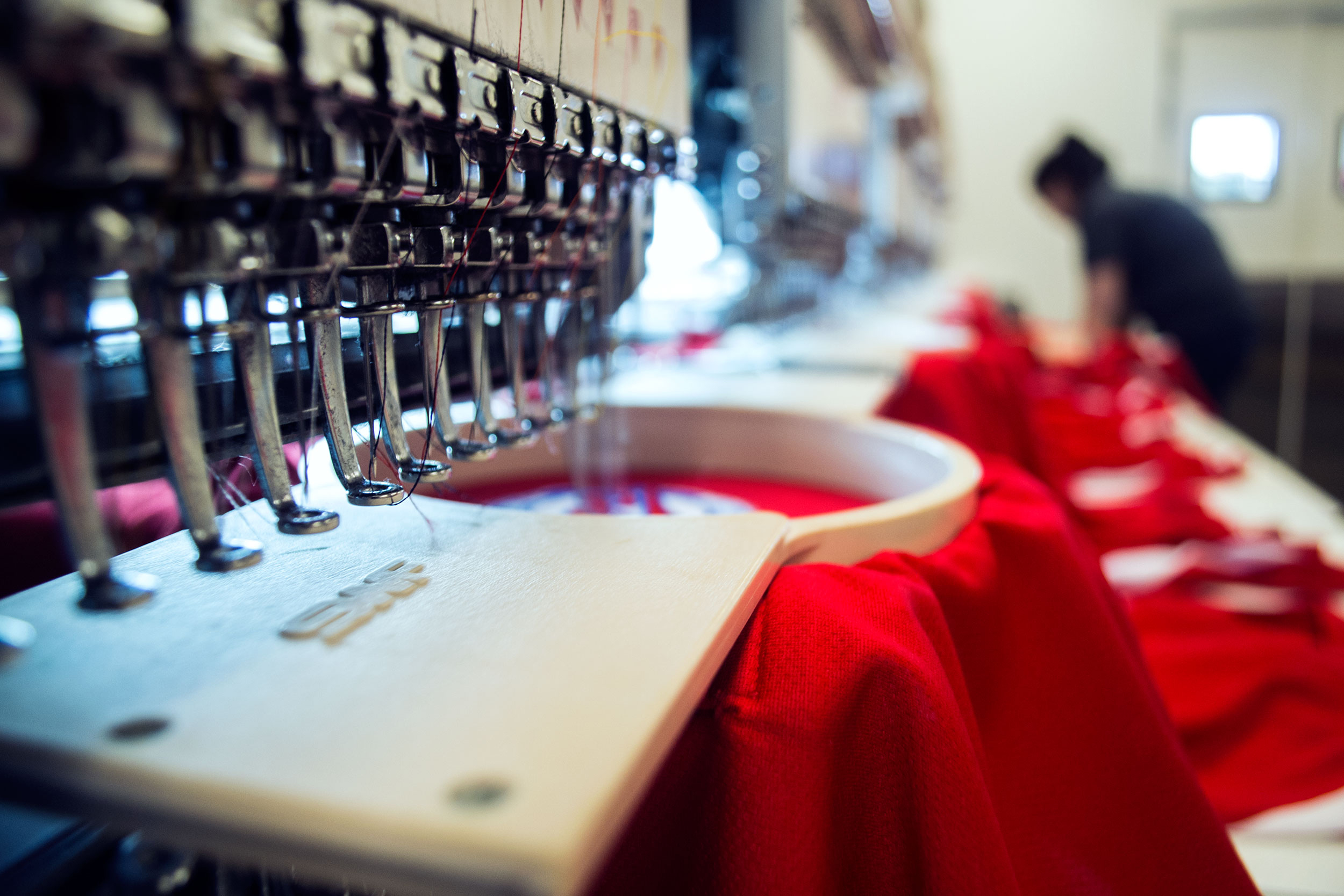
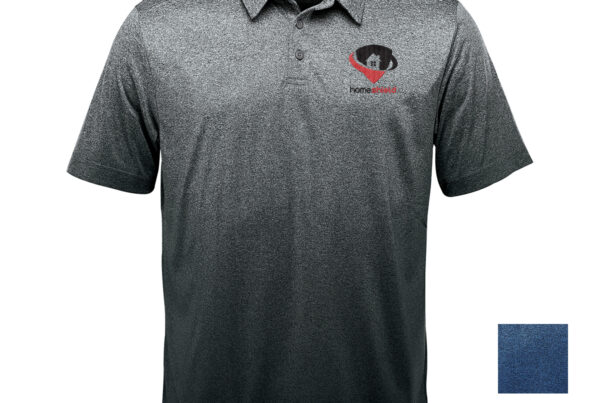
- Staff and trainer uniforms get worn daily, need to hold up to sweat and frequent washing, and usually benefit from a small, durable embroidered logo on a polo or quarter-zip rather than a large printed graphic — embroidery simply outlasts print on daily-wear garments.
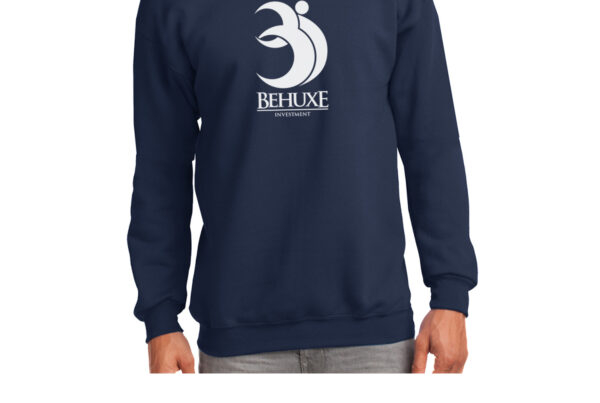
- Member-facing merch (welcome tees, retail tanks, hoodies in the pro shop) is where the brand gets seen outside the gym, so print quality and a soft hand feel on the shirt matter more than they do on a back-of-house uniform.
- Event and challenge-series shirts (a 30-day challenge, a charity 5K, a grand-opening giveaway) are often a one-time, larger run on a fixed date — turnaround matters more here than longevity.
Picking the Right Decoration Method
Screen printing, DTF, and embroidery each have a place in a fitness business’s apparel mix, and the right call depends on the fabric and the use case above, not a single default choice. We walk through exactly how to weigh those trade-offs — cost per piece, order size, fabric type, and how long the design needs to last — in our guide to choosing a decoration method, which is worth a look before locking in an order.
Sizing and Ordering for a Mixed Group
A gym’s staff roster and member base rarely wear the same size, and fitness apparel spans a wider range of cuts — unisex tees, women’s fitted styles, tanks, and looser training shirts. If you’re collecting sizes from members or a trainer team before placing an order, our notes on ordering for a group with mixed sizes and fit preferences cover how to collect that cleanly and avoid a round of exchanges later.
If your gym reorders merch regularly — new member welcome shirts every month, a rotating retail selection, holiday specials — a company store can also save a lot of back-and-forth, letting staff and members order their size directly instead of you collecting a spreadsheet each time.
Final Thoughts
Fitness apparel has to work harder than a basic promotional tee — it has to survive sweat, stretch, and the wash, while still looking sharp enough to represent your brand on the gym floor or out in public. Matching the decoration method to the fabric, and planning staff uniforms, member merch, and event shirts as three separate conversations, is what keeps that gear looking good past the first few wears. If you’re ready to get pricing together for your gym or studio, send us your garment style, quantities, and logo and we’ll get you a quote back quickly. Have questions first? Contact us and we’ll help you figure out the right approach for your gear.