Two of the most common decoration methods we get asked about are screen printing and direct-to-film (DTF) printing. They can produce similar-looking results from across the room, but the economics, durability, and design flexibility are very different — and picking the wrong one for your order can mean paying too much, waiting too long, or ending up with shirts that don’t last.
Here’s a practical breakdown of when each method makes sense, written from the perspective of what we actually run in the shop every day.
The Short Version
Screen printing is the workhorse for medium-to-large orders, simple-to-moderate color counts, and apparel that will be washed dozens of times. DTF is the right call for short runs, full-color photographic artwork, mixed garment types in one order, and quick turnarounds. Most of the time, the deciding factor isn’t the look — it’s the quantity, the artwork, and the deadline.
For a broader view that also covers embroidery and other decoration options, see our piece on choosing between screen printing, embroidery, and other decoration methods.
How Screen Printing Works (And Where It Shines)
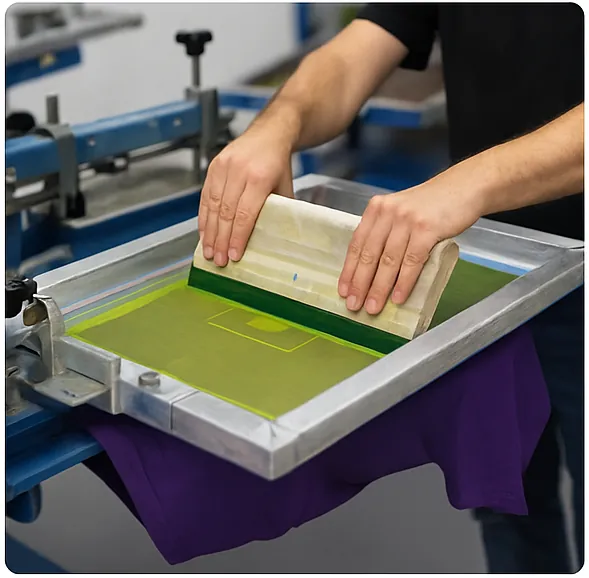
Screen printing pushes ink through a separate mesh screen for each color in your design. There’s a real setup cost — each screen has to be burned, registered, and tested — but once the press is running, every additional shirt is cheap. That’s why the price per piece drops fast as your quantity goes up.
Where screen printing wins:
- Quantity orders — typically 24 pieces and up, with the per-shirt cost dropping sharply past 50, 100, and 250
- Designs with 1–4 spot colors — logos, simple graphics, text-driven layouts
- Long-life apparel — uniforms, restaurant staff shirts, school programs, anything that gets washed weekly for years
- Specialty inks — metallics, glow-in-the-dark, puff, discharge, water-based softhand — only available through screen printing
The trade-off: setup time and minimums. A 6-piece order with a full-color photo on it is the wrong job for screen printing. The setup cost gets spread over too few shirts, and matching photographic color through halftone separations is fighting the process.
How DTF Works (And Where It Shines)
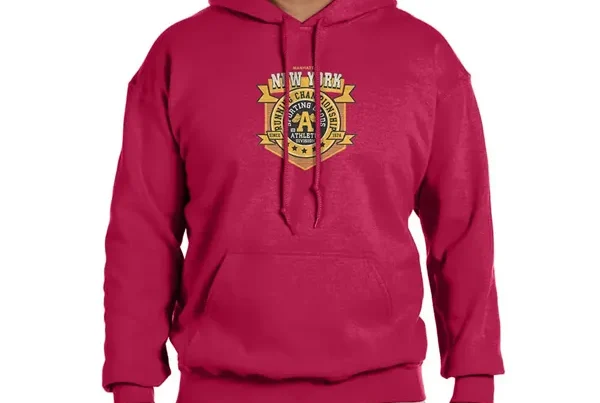
Direct-to-film prints your artwork onto a special film with CMYK + white ink, applies adhesive powder, and heat-presses the transfer onto the garment. There are no screens to burn, no separations to set up, and no minimum. Every transfer can be a completely different design with no extra setup — useful when you’re running names, numbers, or one-off variants in the same job.
Where DTF wins:
- Short runs — 1–24 pieces is where DTF beats screen printing on price almost every time
- Full-color and photographic artwork — gradients, photo elements, complex shading print clean with no separation work
- Mixed garments in one order — the same design on cotton tees, poly performance wear, hoodies, hats, and tote bags without retooling between substrates
- Fast turnaround — no screen prep means we can move from approved art to pressed shirt the same day on small orders
- Retail-style or e-commerce drops — print-on-demand, name/number variants, limited drops
We brought DTF in-house specifically for this kind of work — you can read more about the equipment in our recent post on the ColDesi 24H5 DTF printer. It changed what we’re able to quote on short-run jobs.
Cost: Where the Crossover Point Sits
For a one-color design on 100 shirts, screen printing is dramatically cheaper per piece. For a six-color photo print on 12 shirts, DTF is dramatically cheaper. The interesting question is where the lines cross.
Rough guide: for a one-to-two color design, screen printing usually wins at around 24 pieces and beyond. For a four-plus color or photographic design, DTF stays competitive much further up the quantity curve — sometimes past 100 shirts before screen printing pulls ahead. The exact crossover depends on color count, garment cost, and print location count, which is why we quote both methods on borderline jobs.
If you’re still putting the order together, our guide on what information you need before requesting a custom apparel quote walks through the inputs that drive these numbers.
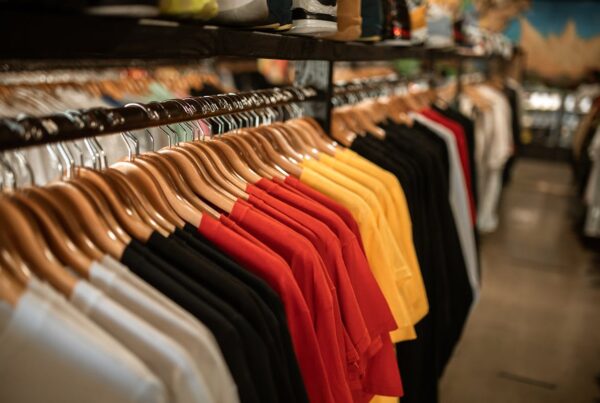
Durability and Feel: What to Expect on Hangered Garments
Modern screen-printed plastisol holds up extremely well — expect 50+ wash cycles before noticeable fade or cracking on a properly cured print. Water-based and discharge inks soak into the fabric for an even softer hand, and on a quality combed-cotton tee they almost feel like part of the shirt.
DTF transfers, applied correctly, also wash well — we typically see 40–50 cycles before any meaningful degradation. The hand is slightly more noticeable than water-based screen printing (you can feel the print area on the fabric), but smoother than older plastisol-style transfers people remember from decades back. For most customers, the difference isn’t something they’d call out unless asked.
Either method holds up better when the customer follows good wash habits — cold water, inside-out, no high-heat dryer on the print. The same care advice we give for any decorated apparel applies; see how to care for custom printed and embroidered apparel so it lasts for the details.
Turnaround: How Each Method Affects Your Timeline
Screen printing has a fixed setup overhead — art prep, separations, screen burning, press setup — that doesn’t get faster regardless of order size. On a clean job with approved art, that’s usually a couple of production days before the press runs, plus the run itself.
DTF skips the screen step entirely. Once art is approved and the film is printed, we can press a small order in hours. That’s why DTF is often the right call when a customer comes in with a last-minute event, a quick reorder of a different size mix, or a few one-off samples while finalizing a larger run.
Either way, for any sizable order, plan ahead — our guide on custom apparel lead times covers what to expect on each method and how to avoid the rush-fee window.
Final Thoughts
There’s no one right answer between screen printing and DTF — the question is which one fits the order in front of you. Big quantity, simple colors, long-life apparel: screen printing, almost always. Short run, full-color art, mixed garments, tight deadline: DTF, almost always. Everything else is a quote-both-and-compare situation, and that’s exactly what we’re set up to do.
If you have a project on the calendar and you’re not sure which method makes sense, get in touch and we’ll walk through the numbers on both methods with you before you commit to either one.