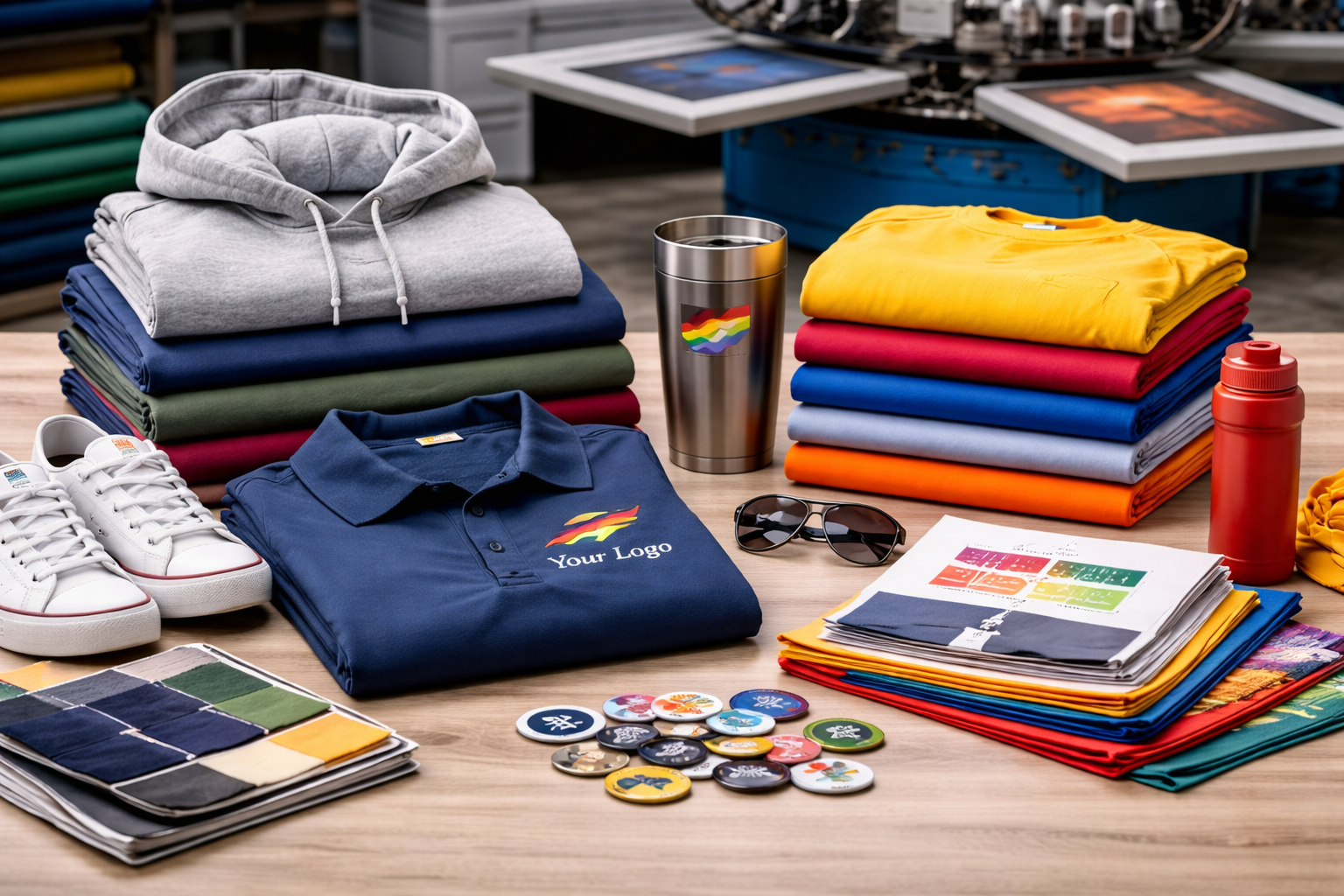
A new hire’s first day sets the tone for everything that follows. A thoughtful welcome kit shows that your team noticed they were coming, planned for them, and wants them to feel at home. It also gives you a quiet first win on culture and brand consistency — without scheduling another meeting.
At Screen Tek, we help companies put together branded welcome kits that go beyond the standard logo mug. Here is how to build one your new hires will actually use.
1. Lead With a Piece of Apparel
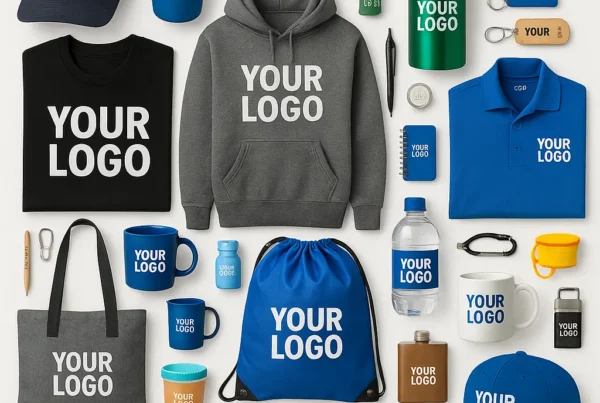
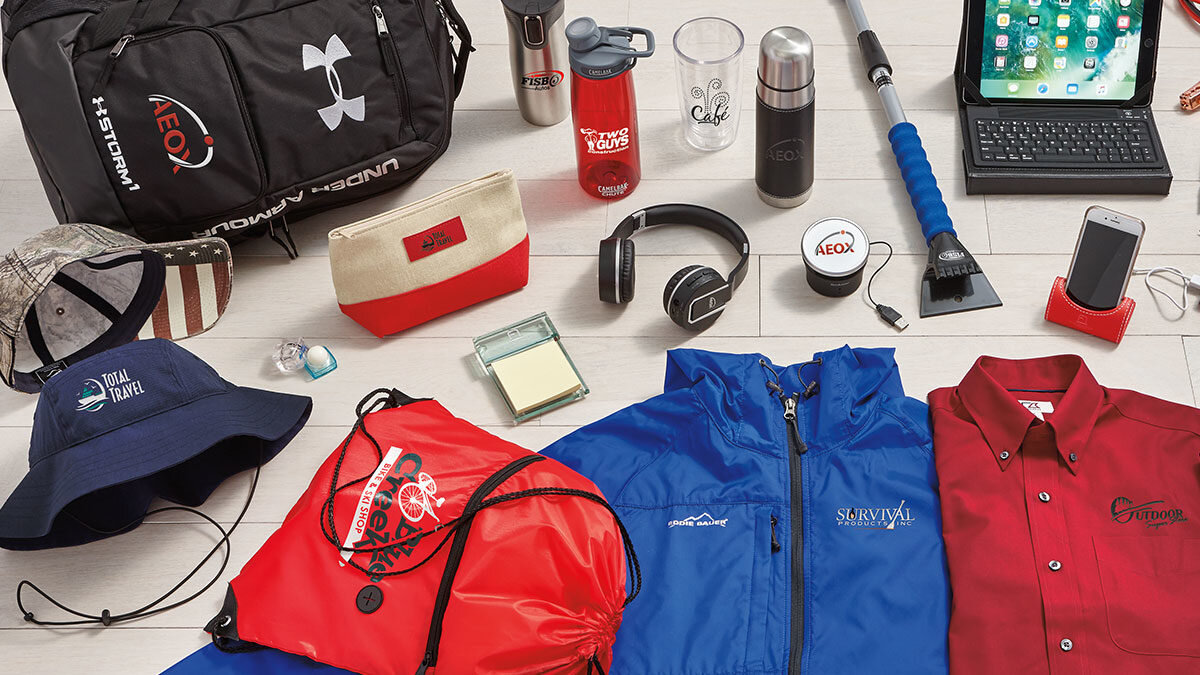
A branded shirt or hoodie is the anchor of any good welcome kit. It is the item people notice first, and it is the one most likely to leave the desk and go home. Soft, modern fits matter — heavyweight cotton tees and relaxed-fit hoodies tend to outperform stiff promotional shirts in real-world use.
Keep the branding subtle. A small embroidered logo over the heart or on the sleeve reads as a gift, while a giant chest print reads as a uniform. If you are not sure which decoration method to use, our guide on screen printing vs embroidery walks through the trade-offs.
2. Add Two or Three Daily-Use Items
The best welcome kits are functional. Pick a small handful of items the new hire will actually reach for during a normal week:
- An insulated tumbler or mug for the desk
- A notebook and a decent pen
- A branded power bank or charging cable
- A tote bag for laptop, lunch, and gym kit
Resist the urge to load the kit with cheap throwaways. Three items people use daily will outperform ten items that end up in a drawer — and they will keep your brand visible far longer.
3. Make It Feel Personal
Small touches turn a generic kit into a real welcome. A handwritten note from the manager, a card with the new hire’s name, or a sticker with their team color all signal that you put thought into the package. If your company has internal traditions — a swag color for each department, a welcome challenge, a first-day playlist — fold them in.
Personalization does not have to mean expensive. Even a printed name card slipped into the box changes the feel of the unboxing.
4. Plan for Remote and Hybrid Hires
If your new hires are not all walking into the same office on day one, you need to think about delivery. That means kits packed and shipped to home addresses, often before the start date. A few practical notes:
- Keep the kit light enough to ship affordably
- Use a sturdy mailer that survives shipping without crushing
- Build in a few extra days for sizing exchanges on apparel
For more on swag designed around hybrid teams, see our 5 hybrid-work swag ideas.
5. Set a Budget That Scales
The right per-kit budget depends on your hiring volume and your goals. A small team hiring one or two people a quarter can splurge on a richer kit; a fast-growing company hiring in batches needs to think about per-unit cost and reorder cadence. Our overview on building a promotional product kit walks through how to balance those trade-offs.
A useful rule of thumb: the kit should feel like a real gift to the recipient, not like leftover marketing supplies. If it crosses that line, you are probably in good shape.
Final Thoughts
A branded welcome kit is one of the cheapest, highest-impact tools you have for new-hire experience and long-term brand recognition. Get the apparel right, pick a few items people will use, add a personal touch, and plan for delivery — and you will have a kit your team is proud to send out, week after week.
Need help putting yours together? Get in touch and we will walk through options that fit your team, your budget, and your brand.